Are your fraud teams ready for 2026?
Checklist for leaders in fraud, risk & financial crime
Checklist for leaders in fraud, risk & financial crime
Because of this, organisations are evaluating their readiness not by the tools they own, but by the data, speed and intelligence they can operationalise.
Here's a readiness checklist for 2026:
If data sits in multiple systems without correlation, fraud teams operate with blind spots.
If ingestion is slow, detection will always lag behind attackers.
Context must be available instantly — not assembled manually.
If not, operational efficiency will stagnate.
Can it support fraud, AML, cyber and identity use cases together?
Machine learning is only as good as the data it can reach.
Investigation time is a leading indicator of operational maturity.
Fraud rings are discovered through relationships, not isolated alerts.
Growth without scalability creates risk.
Boards increasingly expect it.
Fraud teams that modernise their data, search and analytics foundations will enter 2026 prepared for the new wave of synthetic identities, AI-driven scams, and multi-channel fraud operations. Those who don’t will spend the year catching up.
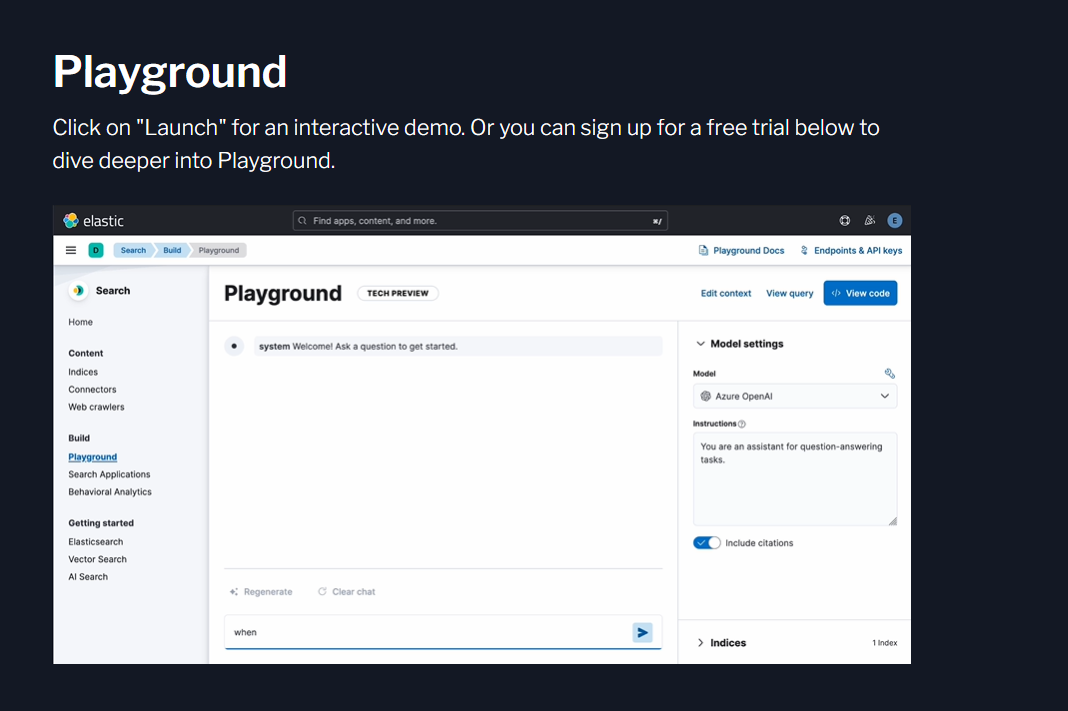
Test the latest AI search capabilities with AI Playground, now in Elasticsearch.
Ingest your own data or use our sample data to explore how to build RAG systems, test different LLMs from various providers like OpenAI, Amazon Bedrock, Anthropic and more.

How slow ingestion creates speed traps and blind spots.

Why better models don’t matter until the data problem is fixed.

Why incidents cost up to 20× more than their value.

What to collect, how to structure it, and how to make it usable.

How to modernise a legacy fraud stack without disruption.

Quantified benefits from modern fraud stacks.

How high-growth banks and PSPs reduce operational drag.

How search-led AI changes fraud detection.

The case for a composable architecture.

Why enrichment, correlation and context change everything.

What a unified fraud data hub looks like.

Let us know what you think about the article.